TL;DR: Content cleaning and storage is the process of removing, cleaning, and temporarily storing furniture, electronics, textiles, and personal belongings after water, fire, smoke, or mold damage so the structure can be dried or rebuilt without those items in the way. Most homeowners and commercial property policies cover it under “contents coverage,” but reimbursement depends on an itemized inventory and documented condition before cleaning begins.
If a slab leak just soaked the living room carpet in your Aliante home, or a kitchen fire left soot on every surface in your North Las Vegas rental property, your furniture and belongings are now sitting in the middle of a job site. They can’t stay there while drywall comes out and dehumidifiers run for days. Content cleaning and storage moves everything out, cleans what’s salvageable, and holds it safely until the space is ready for move-back.
What Is Content Cleaning and Storage?
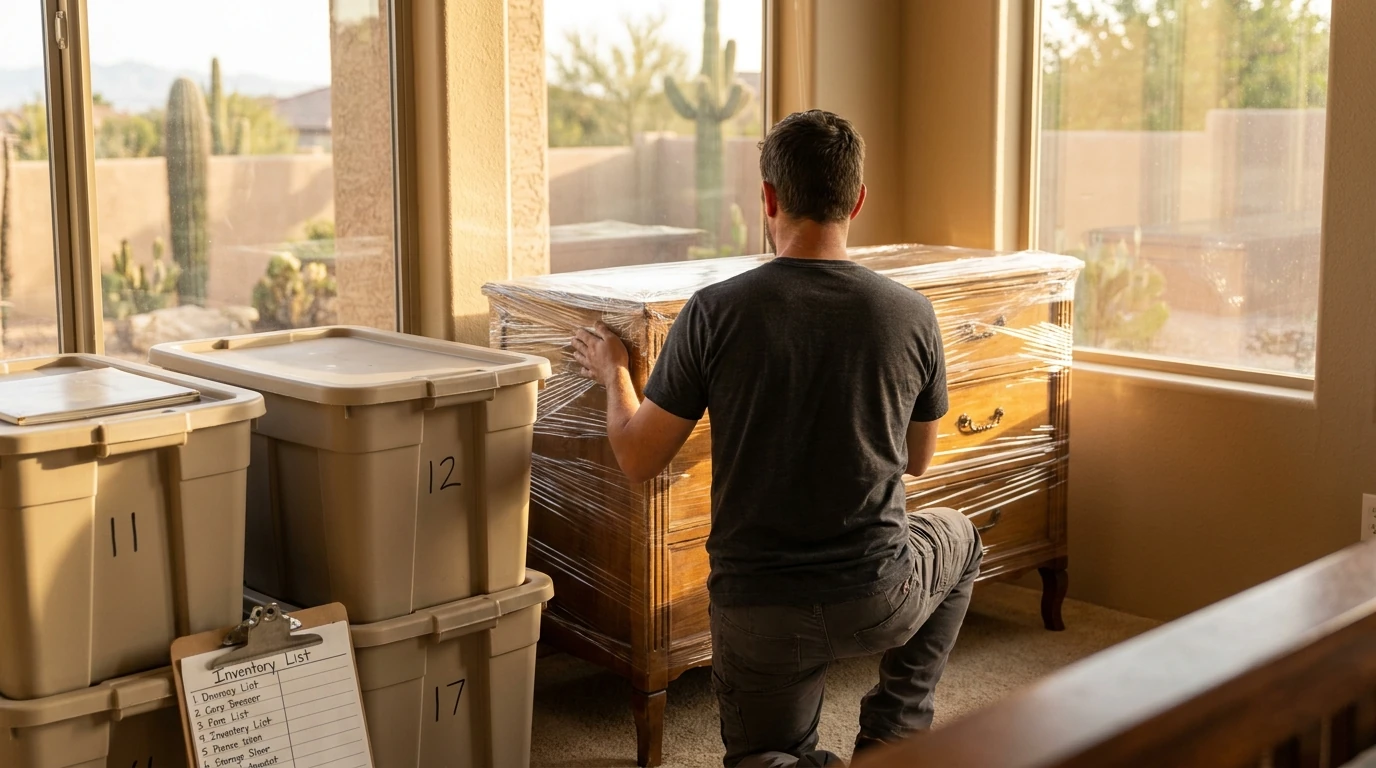
Content cleaning and storage, often called a “pack-out,” is the removal, cleaning, and temporary off-site storage of a property’s contents during restoration work. It covers furniture, clothing, electronics, documents, artwork, and personal items affected directly by the damage or sitting in the path of repair work.
The goal is twofold: protect belongings from further water, soot, or mold exposure, and clear the structure so drying equipment, demolition crews, or rebuild trades can work without obstruction. A pack-out is standard practice on any loss involving significant water intrusion, fire, or mold contamination in an occupied room, not just catastrophic losses.
For businesses along the Losee Road industrial corridor, this often means packing out inventory, file cabinets, and electronics from a warehouse or office space so the building can be dried and repaired on a tighter commercial timeline.
What Happens to My Belongings During a Pack-Out?
Every item gets photographed, logged on an inventory sheet, and assigned a condition note before it leaves the property, so there’s a documented record for both the restoration crew and your insurance adjuster. Nothing moves without being tracked.
The typical sequence runs:
- Inventory and photo documentation of each item, room by room, before anything is touched.
- Sorting by category: clean, affected-but-salvageable, and non-salvageable (per IICRC S500 water category and S700 fire restoration guidelines).
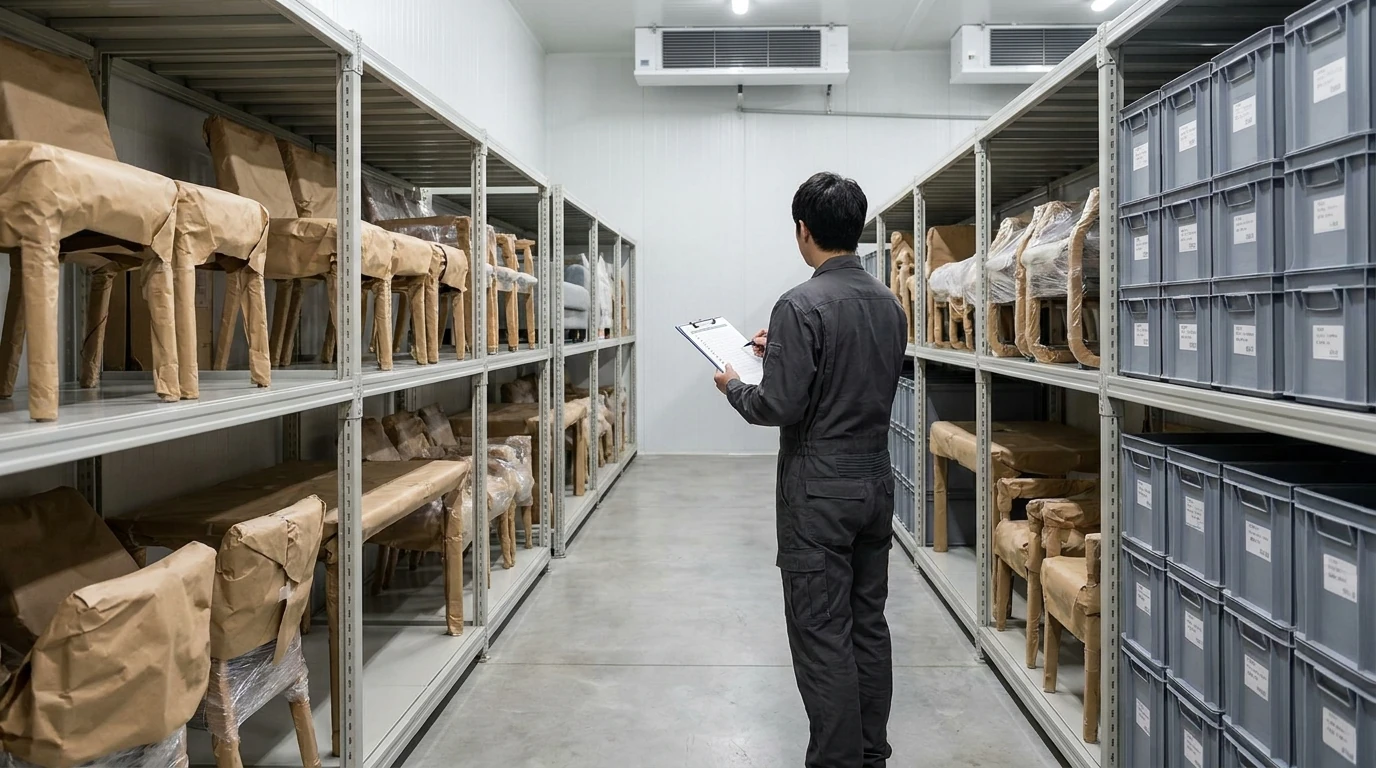
- Packing and transport to a climate-controlled facility, separate from the active job site.
- Cleaning and deodorizing using methods matched to the damage type: ultrasonic cleaning for hard contents, ozone or hydroxyl treatment for smoke odor, HEPA vacuuming and antimicrobial wipe-down for mold-adjacent items.
- Storage until the structure passes drying verification or repairs are complete.
- Pack-in, returning cleaned items to their original rooms, cross-checked against the original inventory.
Electronics and documents usually get specialized handling, since standard cleaning can damage circuit boards or make ink run. A reputable contents crew flags those items separately rather than running everything through the same process.
What Gets Cleaned, What Gets Thrown Away, and Who Decides?
The category of contamination determines what’s salvageable, not sentimental value alone, though sentimental items get extra effort when restoration is physically possible. Porous materials exposed to Category 3 water, also called black water, are generally not restorable and get documented, then discarded per IICRC guidance.
Nonporous items like metal, glass, and sealed plastics almost always clean up fully regardless of contamination category. Semi-porous items (upholstered furniture, some wood finishes, books) depend on exposure time and water category. The longer an item sits wet, especially past 48 hours, the lower the odds of a full recovery.
You make the final call on anything borderline. A good contents team presents options (clean and restore, specialty clean at added cost, or discard with documentation) rather than deciding for you. That documentation matters later: it’s what supports the insurance claim line-by-line instead of a vague “contents loss” estimate.
Will Insurance Pay for Content Cleaning and Storage?
Most homeowners and commercial property policies include contents coverage as a separate line from dwelling/structure coverage, and content cleaning and storage typically falls under it. Coverage amount is usually a percentage of the dwelling limit (commonly 50-70% on homeowners policies), and storage costs during repairs are often covered under additional living expense or business interruption provisions, subject to your specific policy language.
What actually gets paid depends on documentation. Adjusters want a room-by-room inventory with photos, condition notes, and receipts or replacement-cost estimates for anything discarded. A pack-out done without that paperwork leaves you arguing over what existed and what condition it was in, which is a losing position. If you already filed a claim and aren’t sure what’s covered, our guide on what homeowners insurance covers for water damage walks through how adjusters typically evaluate a loss.
Ask upfront whether the contents company itemizes for your adjuster directly or hands you a report to submit yourself. That one detail affects how smoothly the contents portion of your claim moves.
If your North Las Vegas home or business needs its contents packed out, cleaned, and stored while repairs happen, schedule a contents assessment before you start moving things yourself. Improper handling in the first hours is one of the most common reasons otherwise-salvageable items end up a total loss.
About Life Savers Restoration LLC
Life Savers Restoration LLC is an IICRC Certified Firm (license 0091001, Nevada) serving Henderson, North Las Vegas, and the greater Las Vegas valley since 2019. The company holds 24/7 availability for water, fire, mold, and contents-related calls and carries IICRC credentials across water (WRT), structural drying (ASD), mold (AMRT), and fire and smoke (FSRT) disciplines. Life Savers Restoration LLC holds a 4.8 Google rating across 246 reviews from local customers.
Need help now? Call Life Savers Restoration LLC at (702) 845-1325.