TL;DR: Trauma scene cleanup is the professional removal and disinfection of blood, bodily fluids, and other biohazard material after a death, suicide, violent crime, or serious accident. It requires bloodborne pathogen training, OSHA-compliant handling, and EPA-registered disinfectants, which is why it’s not a DIY job. A certified biohazard crew documents the scene, removes contaminated materials, disinfects to a clinical standard, and in many cases coordinates with insurance or victim compensation funds.
If you just got a call from the coroner’s office, a landlord, or a family member about cleaning up after a death or violent incident at a property in Paradise, Nevada, you’re likely standing in a room you don’t know how to touch, let alone clean. That’s normal. Most people never expect to need this kind of help, and most insurance policies and local resources around it are confusing at the exact moment you have the least patience for confusion. Here’s what actually happens, who’s responsible for what, and how the process works from the first phone call to the final inspection.
What Is Trauma Scene Cleanup, Exactly?
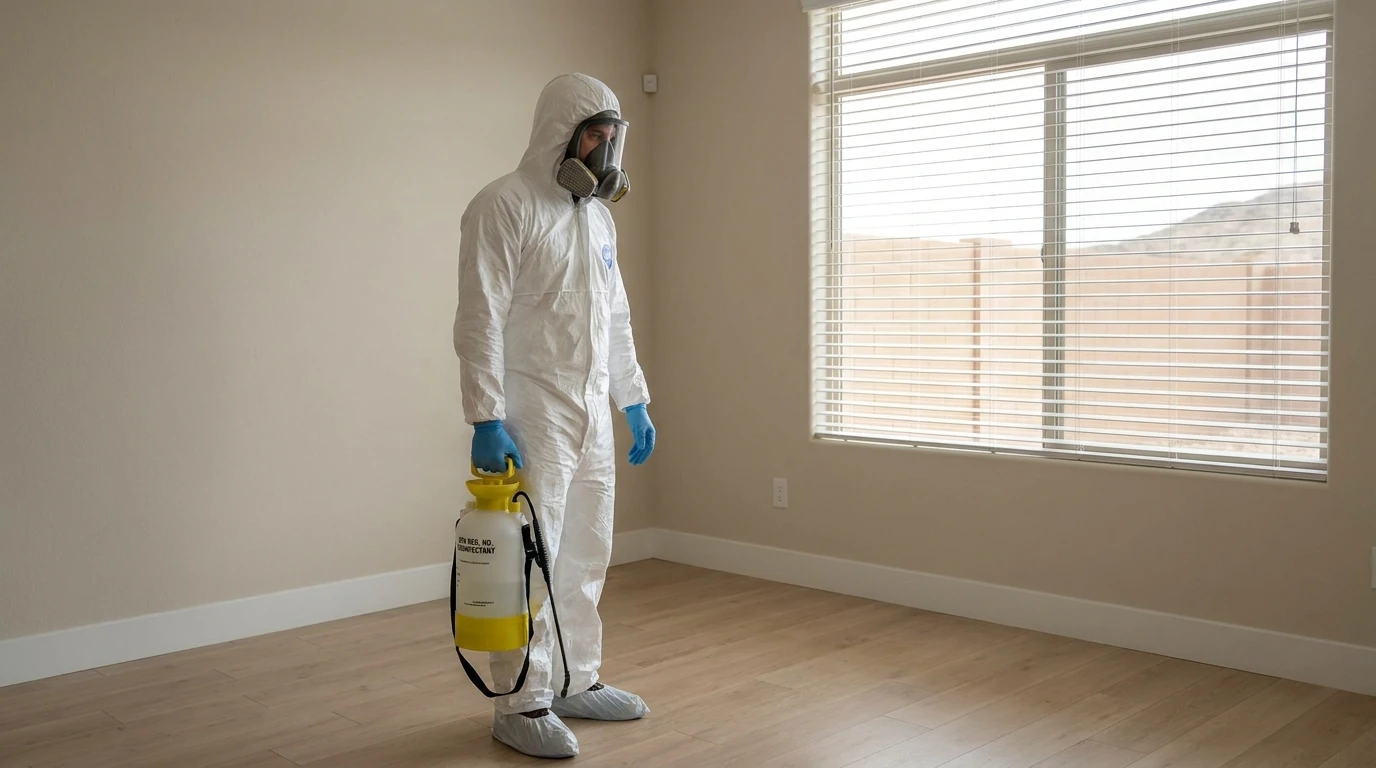
Trauma scene cleanup is the removal and disinfection of blood, bodily fluids, and other potentially infectious materials after a death, suicide, homicide, or serious injury, performed by technicians trained under OSHA’s bloodborne pathogen standard. It is sometimes called biohazard remediation or crime scene cleanup, but the work is the same regardless of the label.
The goal is twofold: eliminate the biological hazard so the space is safe for people to occupy again, and restore the structure (flooring, drywall, subfloor) that bodily fluids can soak into over time. Blood and other fluids carry real pathogen risk, including bloodborne illnesses, which is why handling and disposal are regulated under federal OSHA guidelines, not left to whoever happens to be available with cleaning supplies.
Who Actually Handles Trauma Scene Cleanup, the Family or a Professional Crew?
A licensed, OSHA-trained biohazard crew handles trauma scene cleanup, not the family and not a general housekeeping or janitorial service. Law enforcement and the coroner release the scene once their investigation is complete, but releasing the scene does not mean it’s safe or legal for an untrained person to clean.
Most cleaning products sold to consumers aren’t formulated to neutralize bloodborne pathogens at the concentration or contact time required. Biohazard materials also have specific disposal rules, they typically need to be bagged, labeled, and transported to a facility licensed to accept medical or biohazard waste, which a homeowner can’t legally do on their own in most cases. A professional crew brings EPA-registered hospital-grade disinfectants, personal protective equipment, and a documented chain of custody for anything removed from the property.
This also protects the family emotionally. Technicians who do this work daily can move through the physical cleanup with clinical focus, so family members aren’t the ones removing flooring or handling saturated materials in the hours after a loss.
What Should You Expect During the Cleanup Process?
Expect an assessment first, then containment, removal, disinfection, and a final clearance check, usually completed within one to three days depending on how far fluids traveled into flooring and subflooring. The timeline stretches if the incident happened on porous materials like carpet, unsealed wood, or concrete that absorbs liquid.
A typical sequence looks like this:
- Scene assessment. The crew documents the affected area, identifies what’s salvageable versus what must be removed, and confirms the scene has been officially released by law enforcement or the coroner.
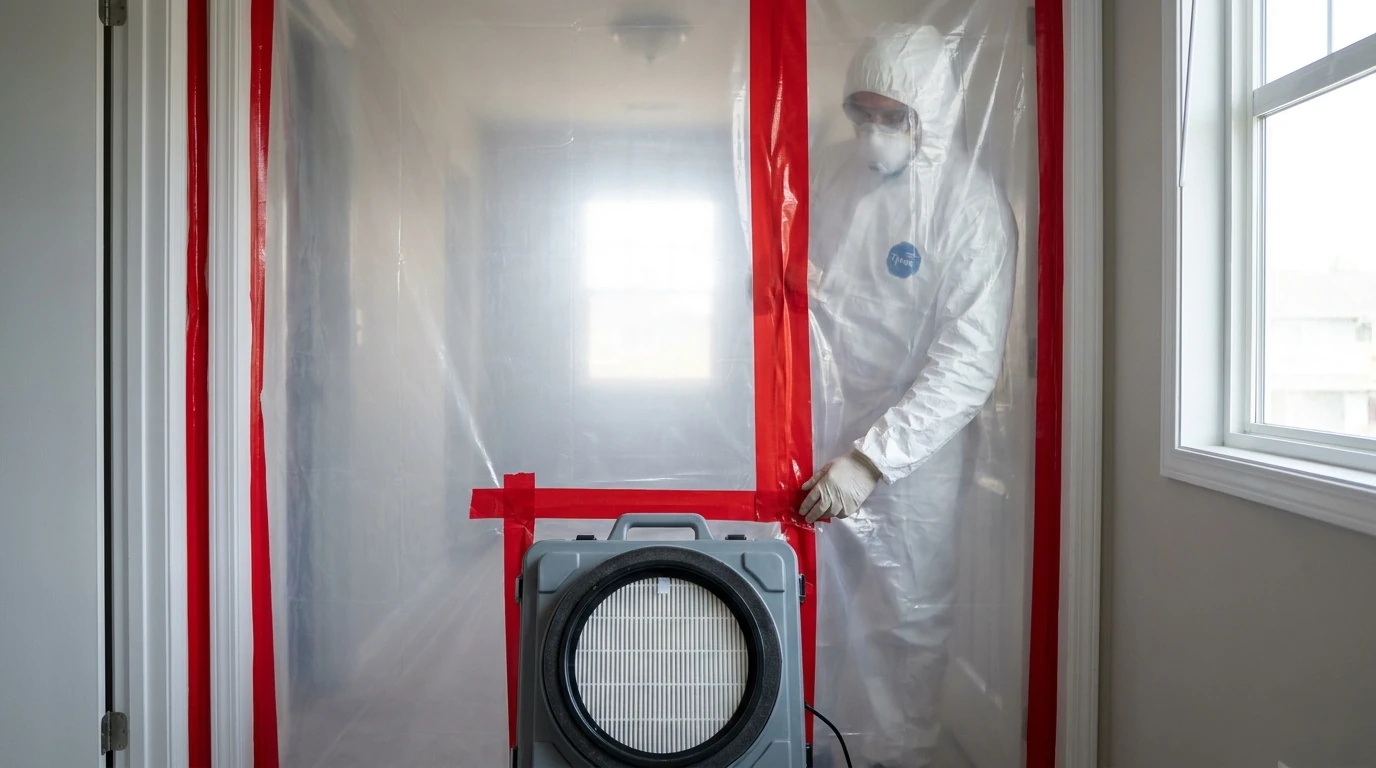
- Containment. Affected rooms are sealed off with poly sheeting to prevent cross-contamination to the rest of the property.
- Removal. Saturated carpet, padding, drywall, or subfloor sections that can’t be fully disinfected are removed and bagged as regulated biohazard waste.
- Cleaning and disinfection. Surfaces are treated with EPA-registered disinfectants, and odor sources are addressed, since bodily fluids that have soaked into porous material can produce lingering odor long after visible residue is gone.
- Clearance. A final inspection confirms the space meets a safe, sanitized standard before anyone re-enters.
For an apartment or condo in the high-rise corridor near the Strip in Paradise, where units share HVAC systems and close quarters with neighbors, containment and odor control matter even more, since airflow between units can carry odor if it isn’t addressed at the source.
Who Do You Call First After a Trauma Scene in Paradise, NV?
Call a certified biohazard remediation company before you call a general contractor or cleaning service, since most cleaning companies are not equipped or legally permitted to handle bloodborne pathogen waste. In Nevada, a landlord, property manager, or family member can request this service directly once law enforcement has released the scene.
Life Savers Restoration LLC is an IICRC-certified, OSHA-trained firm serving Paradise and the greater Las Vegas valley with 24/7 biohazard cleanup, and can typically be reached the same day the scene is released to begin assessment and containment.
Before the crew arrives, it helps to know who else may be involved: your insurance carrier (homeowners and renters policies sometimes cover trauma scene cleanup under contamination or vandalism clauses, though every policy differs), and, if the death resulted from a crime, Nevada’s victims of crime compensation program, which in some cases can help cover cleanup costs. A reputable crew will help you understand what documentation you need for either path, rather than leaving you to figure it out while grieving.
What Happens Next
Once the space is clinically clean, you can move toward restoring the room to normal, whether that means new flooring, fresh drywall, or simply making the space livable again. If the incident caused damage beyond the biohazard itself, like a fire from a related event or water damage from first responders, that typically becomes a separate restoration phase once the biohazard clearance is complete.
There’s no need to make every decision today. A documented scope of work from a licensed crew gives you something concrete to hand to an insurance adjuster, a landlord, or a family member who’s asking what happens next, and that clarity matters more than speed in the first 24 hours.
About Life Savers Restoration LLC
Life Savers Restoration LLC is an IICRC-certified restoration firm serving Henderson, Paradise, and the greater Las Vegas valley since 2019 (Nevada license 0091001). Their crews handle biohazard cleanup, water damage restoration, fire damage restoration, mold remediation, and sewage cleanup across the region, with OSHA-trained technicians and 24/7 availability for time-sensitive situations like trauma scene remediation.